Stroke from narrowing or blockage of cerebral arteries

Stroke can cause various symptoms such as:
1. Vascular obstruction can cause paralysis or palsy of the arms, legs, face, or tongue, leading to unclear speech and difficulty swallowing.
2. A brain hemorrhage may result in a blood clot damaging brain tissue, causing severe headaches, fainting, and paralysis similar to vascular obstruction symptoms.
3. Temporary lack of blood supply to the brain can result from low blood pressure, narrowed blood vessels, or anemia, leading to dizziness, confusion, temporary hemiparesis, or weakness in limbs. The cells and brain tissue experience a temporary lack of blood or oxygen. Therefore, if there are symptoms of vascular obstruction, immediate treatment is necessary within 3 hours to ensure better recovery of the affected brain area and its surroundings, compared to waiting beyond 3 hours.
Treatment can be divided into the following stages:
1. At the initial stage, when the patient arrives at the hospital, they usually go to the emergency department. The doctor assesses the patient’s health, checking for high blood pressure, diabetes, heart disease, irregular heartbeats, and high blood cholesterol, which are risk factors for paralysis. It requires simultaneous treatment. Subsequently, a neurologist evaluates the location and severity of the problematic blood vessels to consider the next treatment step.
2. Before transferring the patient to a room, if the patient is unconscious, breathes poorly, or has hemiparesis, cannot swallow food, the patient is usually taken for a brain X-ray first, then moved to the intensive care unit for further treatment. If the symptoms are mild, the patient may rest in a regular patient room under close supervision, then undergo special examinations.
3. Care should be under the supervision of a neurologist. Initially, if the patient arrives at the hospital within 3 hours and clear indications are present, a certain group of blood-thinning drugs may be effective, though they are expensive, they yield good results as patients can recover without disability or with minimal chances of it. Additionally, using anti-coagulant drugs can help, but the doctor will consider the timing and condition of the patient before administration. Patients with heart conditions such as ischemic heart disease or arrhythmias, or poorly controlled diabetes, should have an internist or specialist involved in treatment.
4. After receiving treatment, if the patient’s condition remains stable or improves within 2 days, physical therapy and training for self-care in daily life should begin. Even if disabled, the patient can care for themselves to a certain extent.
5. Once the patient recovers and can return home, they must strictly follow the doctor’s recommendations to avoid recurrent paralysis or vascular obstruction.
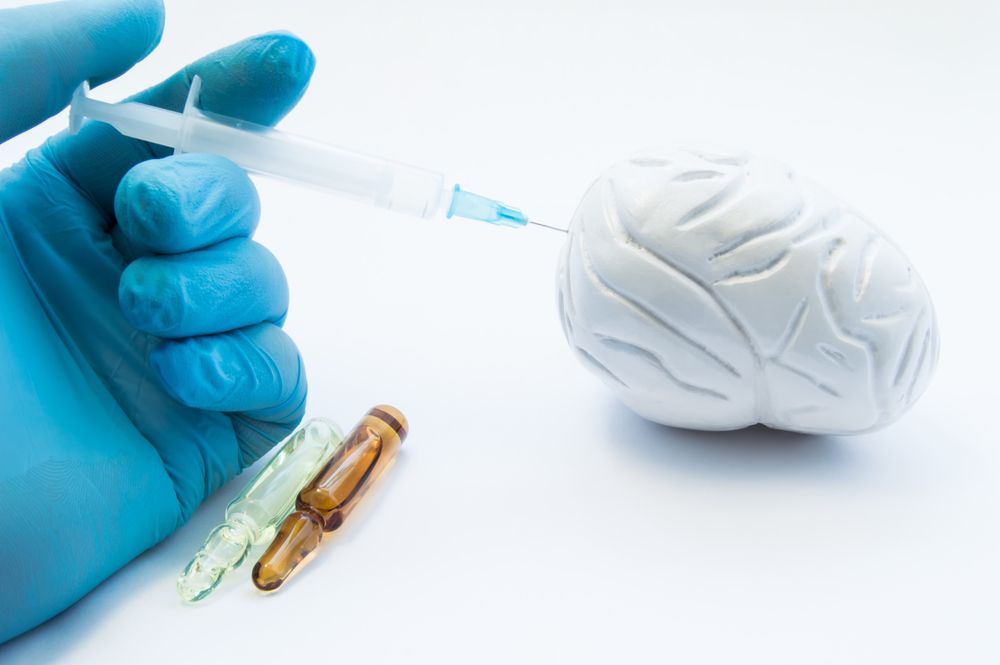
source : Bangkok Hospital Hat Yai
**Translated and compiled by ArokaGO Content Team
Bangkok Hospital Hat Yai
Share this article
More Articles
Discover more insights on health care and medical tourism.

Weight Loss Injection Pen
Being overweight or obese is a growing health concern worldwide. It is associated with many chronic diseases such as diabetes, hypertension, heart disease, high cholesterol, and even certain types of cancer.

Spinal Surgery
Spine Surgery is complex and high-risk. It is used in patients with spinal abnormalities, whether it is treating herniated discs, spinal degeneration, spinal tumors, fractures from osteoporosis, spinal curvature or deformities, and abnormalities affecting daily life.

Gastroesophageal Reflux Disease (GERD)
Gastroesophageal Reflux Disease (GERD), commonly known as acid reflux, is a digestive disorder in which stomach acid flows back into the esophagus, causing irritation and discomfort. This article provides a comprehensive overview of GERD