The Importance of Vitamin K in Osteoporosis

Osteoporosis is a major public health problem, comparable to diabetes, hypertension, and hyperlipidemia. It has long posed a serious threat to the health and quality of life of the Thai population, particularly older adults. Most elderly individuals with osteoporosis experience no warning symptoms or early signs, resulting in delayed diagnosis and lack of early treatment. Consequently, these individuals are at high risk of fragility fractures at various sites, including the wrist, spine, hip, and upper arm.
Previous studies have shown that 1 in 3 women and 1 in 5 men aged over 50 years will experience osteoporotic fractures. These fractures often lead to pain, disability, loss of independence, and a significant decline in quality of life especially during the first year following the fracture (Kanis JA et al., 2012).
Definition of Osteoporosis
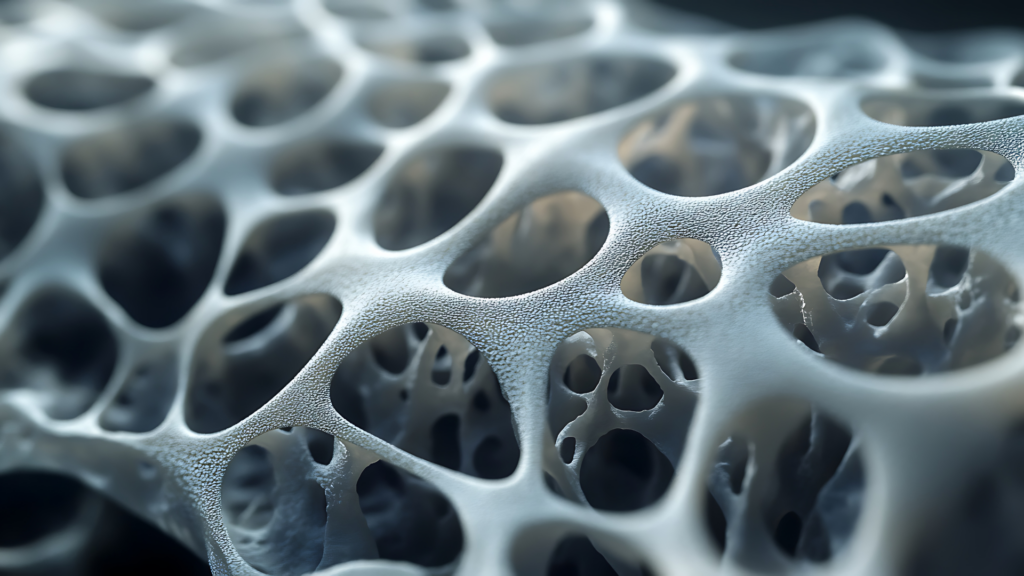
Osteoporosis is a systemic skeletal disorder characterized by reduced bone mineral density together with deterioration of bone microarchitecture, resulting in increased bone fragility and a higher risk of fractures.
Causes and Risk Factors for Osteoporosis (TOPF 2021)
Non-modifiable Risk Factors
1. Age 65 years and older
2. Female sex
3. Caucasian and Asian women
4. Early menopause (before age 45) or bilateral oophorectomy
5. Small body frame
6. Family history of osteoporosis or fragility fractures (parents or siblings)
7. Previous history of fragility fractures
Modifiable Risk Factors
1. Inadequate intake of calcium and vitamin D
2. Physical inactivity or sedentary lifestyle
3. Regular smoking
4. Excessive alcohol consumption (more than 3 units per day)
5. Excessive caffeine intake (more than 200 mg per day)
6. Body mass index (BMI) below 20 kg/m²
7. Estrogen deficiency lasting longer than 1 year
8. Increased risk of falls (e.g., poor vision, use of sleeping pills or antihypertensive medications)
The Importance of Vitamin K in Osteoporosis
(Dr. Narong Boonyaratvej, Bone Forum 2014)
Vitamin K exists in two natural forms: Vitamin K1 and Vitamin K2. Both are fat-soluble vitamins, similar to vitamins A, D, and E.
- Vitamin K1 is primarily found in green leafy vegetables and is partially synthesized by intestinal microbiota. Its main function is to support normal blood clotting.
- Vitamin K2 is found mainly in fatty animal products such as liver, butter, cheese, egg yolk, and fermented soybeans (natto). It is also synthesized by gut bacteria. Vitamin K2 plays a crucial role in bone health.
Vitamin K2 acts as an essential cofactor for carboxylation of several proteins, allowing them to function properly. One of the most important of these proteins is osteocalcin, which binds minerals such as calcium and phosphorus within the bone matrix. When osteocalcin levels are insufficient or under-carboxylated, calcium binding in bone decreases, leading to increased calcium levels in the bloodstream. Excess circulating calcium may negatively affect blood vessels, kidneys, and soft tissues.
Absorption and Metabolism of Vitamin K
Vitamin K obtained from diet or synthesized by intestinal microorganisms is absorbed via the lymphatic system. Its absorption requires pancreatic enzymes and bile from the gallbladder. Typically, 40–70% of dietary vitamin K is absorbed.
Once absorbed, vitamin K is rapidly transported to the liver. Organs with relatively high vitamin K concentrations include the adrenal glands, lungs, bone marrow, kidneys, and lymph nodes. Approximately 70% of vitamin K is excreted in urine, with the remainder eliminated via bile.
How to Identify Vitamin K Deficiency
Direct measurement of vitamin K levels in blood is complex and requires specialized equipment. In clinical practice, undercarboxylated osteocalcin (UcOC) is commonly measured. Elevated UcOC levels indicate vitamin K deficiency.
If UcOC testing is unavailable, diagnosis may rely on supporting clinical information, such as:
- Low intake of green leafy vegetables, avoidance of fats, or lack of fermented foods
- Frequent bruising, subconjunctival hemorrhage, skin bruises, hematuria, frequent nosebleeds, or abnormally heavy menstruation
- Long-term use of certain medications, including statins, bisphosphonates, antiepileptic drugs, anticoagulants, and antibiotics
- Presence of cystic fibrosis
Effective Use of Vitamin K2 Supplementation
In elderly patients with osteoporosis who are suspected or confirmed to have vitamin K2 deficiency, Vitamin K2 in the form of MK-4 (menatetrenone) may be used.
- Recommended dosage: 15 mg per capsule, 3 capsules per day (total 45 mg/day)
To maximize effectiveness, the following recommendations should be followed:
- Take vitamin K2 after meals to achieve higher blood levels compared to taking it on an empty stomach
- Dietary fat enhances absorption of vitamin K2
- During the first 6 months, a dose of 45 mg/day is recommended, as it promotes greater osteocalcin carboxylation than 30 mg/day
- Dosage adjustment may be required in individuals with impaired bile secretion; start with a lower dose as vitamin K2 absorption depends on bile
- Vitamin D status should be assessed before starting vitamin K2 supplementation; vitamin D deficiency should be corrected first, as vitamin D and vitamin K work synergistically. Vitamin D stimulates osteoblasts to produce UcOC
- Studies show that UcOC levels decrease by approximately 50% by the third month of vitamin K2 supplementation and reach their lowest levels by the sixth month
- Possible adverse reaction: non-itchy red rash on the abdomen or arms
Conclusion
Osteoporosis is a systemic skeletal disorder involving both reduced bone density and impaired bone quality, leading to an increased risk of fractures. Older adults are particularly prone to deficiencies in calcium, vitamin D, and vitamin K, all of which are essential for maintaining bone strength.
To reduce the risk of osteoporosis and improve treatment outcomes, management should not rely solely on anti-osteoporotic medications and fall prevention strategies. Supplementation with calcium, vitamin D, and vitamin K2 should also be considered as part of a comprehensive and effective approach to bone health.
By Dr. Tanawat Amphansap
Source: www.doctorwat.com
**Translated and compiled by ArokaGO Content Team
Police General Hospital
Share this article
More Articles
Discover more insights on health care and medical tourism.

Songkran Warning: How to Prevent and Handle “Shoe Suction” Injuries During Water Festival Celebrations
As Thailand celebrates Songkran, many festival-goers are enjoying water splashing in the streets, but one surprisingly common issue keeps returning every year, the so-called “shoe suction” problem, when wet slip-on sandals or rubber shoes become stuck tightly to the foot or ankle after prolonged exposure to water.

Office Syndrome: A Common Health Problem Among Modern Workers
In an era when working in front of a computer has become part of everyday life, Office Syndrome has emerged as one of the most common health concerns among working-age adults.

Urine does not flow, cannot hold urine
Urine does not flow, cannot hold urine, check urgently before it becomes an enlarged prostate or BPH (Benign Prostate Hyperplasia).