
ဒေါက်တာမန့်နောက်ဖြတ်ခွဲပြီးနောက်စွဲလမ်းဆေးဝါးကျောက်ရောဂါစောင့်ကြည့်စီမံခန့်ခွဲမှုဌာန
ပြည့်စုံသောဝန်ဆောင်မှုအချက်အလက်နှင့်အသေးစိတ်
ဖော်ပြချက်
ခြဲစိတ်ကုသမှုဆုံးပြီးနောက် နာကျင်မှုရဲ့ရေရှည်ထပ်နေမှု (Chronic Post-Surgical Pain - CPSP) ကို နားလည်ခြင်း
ခြဲစိတ်ကုသမှုဆုံးပြီးနောက် နာကျင်မှုရဲ့ရေရှည်ထပ်နေမှု (Chronic Post-Surgical Pain - CPSP) သည် ရေရှည်ခွဲစိတ်ကုသမှုနောက်ခံနာကျင်မှု (Persistent Post-Surgical Pain) ဟုလည်း ယူဆနိုင်ပြီး၊ ခြဲစိတ်ရာများအနာ့အရောင် ပြန်ကျေနပ်ပြီးနောက် သုံးလကျော်ကြာ မသက်သာသော နာကျင်မှုဖြစ်ခြင်း ကို ဆိုလိုသည်။ ဤအခြေအနေသည် လူနေမှုအရည်အသွေးကို လွန်စွာချို့ယွင်းစေပြီး၊ နေ့စဉ်ဘဝလုပ်ငန်းစဉ်များကိုလည်း ထိခိုက်စေနိုင်ကာ စိတ်ကျရောဂါ၊ စိတ်ပင်ပန်းမှု၊ စိတ်ဓာတ်ကျခြင်းတို့အပါအဝင် စိတ်ပိုင်းဆိုင်ရာ ထိခိုက်မှုများ ကိုးကားပေးနိုင်သည်။
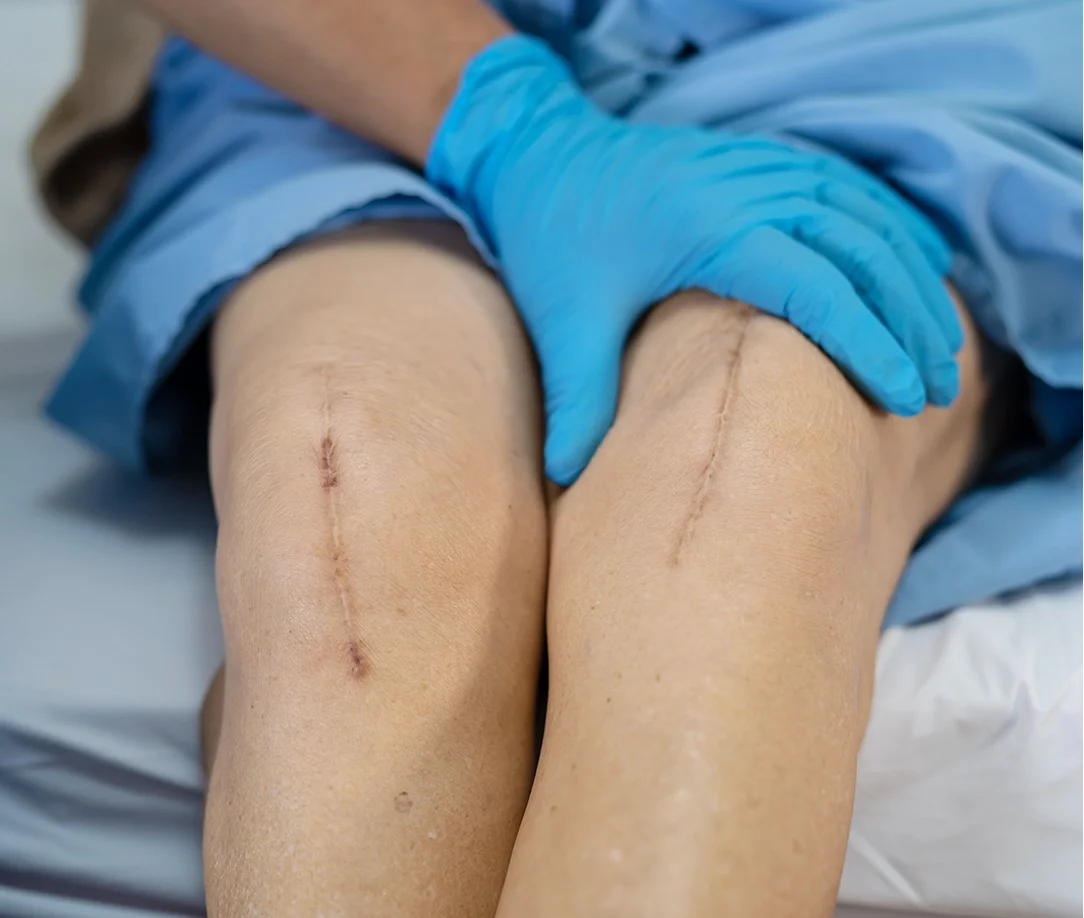
CPSP သည်အောက်ပါ ခြံစိတ်ကုသမှုများအပြီးတွင် အထူးတွေ့ရလေ့ရှိသည်-
-
Hernia repair (အူဖောင်းဆိုင်ရာ ခြဲစိတ်ပြုပြင်ခြင်း)
-
Thoracic surgery (ဥပမာ- အဆုတ် ခြဲစိတ်ကုသမှု)
-
Breast surgery (ရင်ခော်ခွဲစိတ်ကုသမှု)
-
Cesarean section (သဘာဝကလေးအိမ်ဖွင့်ခြားခြင်း) သို့မဟုတ် hysterectomy (ကလေးအိမ်ထုတ်ခြင်း)
-
Limb amputation (လက်တစ်လုံး၊ ခြေတစ်လုံး ဖြတ်တောက်ခြင်း)
ထုံးစံအရလေ့လာချက်များအရ ဖြစ်ပွားနှုန်းသည် 5–50% ကြားမှာတည်ရှိပြီး၊ ခြဲစိတ်အမျိုးအစားပေါ် မူတည်သည်။ CPSP သည် ဦးနှောက်အာရုံကြော ထိခိုက်မှု၊ ရေရှည်အရောင်အာရုံခြင်း သို့မဟုတ် တုပ်ကွေး၊ နှင့် ခြဲစိတ်ရာတွင် cancer ဝင်ရောက်မှု တို့နှင့် ထပ်မံသက်ဆိုင်မှုရှိသည်။
ခြဲစိတ်ပြီးနောက် နာကျင်မှုရဲ့ရေရှည်ထပ်နေမှုဖြစ်ပွားနှုန်း
CPSP ဖြစ်ပွားမှုနှုန်းသည် ခြဲစိတ်အမျိုးအစားအလိုက် ကွာခြားပါသည်။ စမ်းသပ်လေ့လာမှုများအရ-
-
Amputation (လက်/ခြေ ဖြတ်တောက်ခြင်း): 85%
-
Thoracic surgery: 71%
-
Breast surgery: 57%
-
Total knee replacement: 44%
-
Abdominal surgery (ဝမ်းဗိုက် ခြဲစိတ်မှု): 21%
CPSP ဖြစ်ထွက်စေသောအကြောင်းအရင်းများ
CPSP သည် ဝိဇ္စံနှစ်ဘာသာ အကြောင်းပြချက်များကြောင့် ဖြစ်ပေါ်လာပြီး၊ အောက်ပါအရာများပါဝင်သည်-
-
ခြဲစိတ်စဉ်အတွင်း အာရုံကြောထိခိုက်မှု
-
ခြဲစိတ်ရာတွင် ရေရှည်အရောင် (chronic inflammation) သို့မဟုတ် တုပ်ကွေး (infection)
-
အလယ်ပိုင်း (central) သို့မဟုတ် အစွန်းပိုင်း (peripheral) sensitization ဖြစ်ခြင်းကြောင့် နာကျင်မှုအာရုံထက်မြက်လာခြင်း
-
စိတ်ပိုင်းဆိုင်ရာ အကြောင်းအရင်းများ (ပင်ပန်းခြင်း၊ စိုးရိမ်မှု၊ စိတ်အားငယ်မှု) များက နာကျင်မှုအား တိုးမြှင့်စေနိုင်ခြင်း
CPSP ဖြစ်ပွားနိုင်စေရန် အန္တရာယ်ရှိစေသောအချက်များ
A. ခြဲစိတ်မတိုင်မီ အခြေအနေများ
-
ခြဲစိတ်မတိုင်ခင်တွင် ရှိပြီးသား ရေရှည်နာကျင်မှုဖြစ်ထွက်မှု သမိုင်း
-
စိတ်အားငယ်မှု သို့မဟုတ် စိုးရိမ်မှု
-
ခြဲစိတ်မတိုင်မီ ဗဟုသုတကြာရှည်အိုပီယော့ယူသုံးခြင်း
B. ခြဲစိတ်လုပ်ဆောင်စဉ်အတွင်း အခြေအနေများ
-
ခြဲစိတ်စဉ်အတွင်း အာရုံကြောထိခိုက်ခြင်း
-
ခြဲစိတ်ပြီးတိုင်းအလွန်ပြင်းထန်သော နာကျင်မှုဖြစ်ပေါ်ခြင်း
C. ခြဲစိတ်ပြီးနောက် အခြေအနေများ
-
နာကျင်မှု acute ဖြစ်စဉ်ကို မကြီးမားစွာ ထိန်းချုပ်နိုင်ခြင်း မရှိခြင်း
-
ခြဲစိတ်နောက်တွင် တုပ်ကွေးဖြစ်ခြင်း သို့မဟုတ် သက်ဆိုင်ရာရှုပ်ထွေးမှုဖြစ်ခြင်း
-
အပြည့်အစုံ ပြန်လည်ရုပ်ပိုင်းဆိုင်ရာပြန်လည်ထူထောင်ခြင်း မခံရခြင်း သို့မဟုတ် physiotherapy မရရှိခြင်း
ရေရှည်ခွဲစိတ်နောက်နာကျင်မှု ဆေးကုသနည်းများ
5.1 ဆေးဝါးဖြင့်လက်ရှိနာကျင်မှု ထိန်းချုပ်မှု
နာကျင်မှုရဲ့ဖြစ်ပွားMechanismအပေါ်မူတည်၍၊ လိုက်လျောညီထွေ ဆေးရွေးချယ်ပေးသည်-
-
Non-steroidal Anti-Inflammatory Drugs (NSAIDs):
Ibuprofen, Naproxen, Etoricoxib, Celecoxib -
Anticonvulsants:
Gabapentin, Pregabalin, Mirogabalin (Neuropathic pain အတွက်) -
Antidepressants:
Amitriptyline, Nortriptyline, Duloxetine -
Local Anesthetics:
Lidocaine patch (ဒေသပညတ်နာကျင်မှုအတွက်) -
Opioids (လိုအပ်ပါက):
Morphine, Oxycodone (OxyContin), Fentanyl patch, Methadone
5.2 အထူးပြုနှင့် ဆန်းသစ်သောကုသနည်းသုံးမှု
-
ဒေသအာရုံပြေလျော့ဆေးနှင့် steroid ထိုးမှု (ထိခိုက်နေသော အာရုံကြောကို ဦးတည်သည်)
-
Peripheral Magnetic Stimulation (PMS): နာကျင်မှုလျှော့စေရန် Non-invasive neuromodulation နည်းပညာ
-
Spinal Cord Stimulation (SCS): ပြင်းထန်ပြီး အခြားနည်းများ မသက်သာသော နာကျင်မှုရှိသူများအတွက်
5.3 ရုပ်ပိုင်းဆိုင်ရာ ပြန်လည်ထူထောင်ခြင်းနှင့် ကိုယ်တိုင်အထောက်အထား
-
နူးညံ့ပျော့သော ကြွက်သား တင်းကြပ်မှုလျော့ရန်၊ ဆက်လက် ဖြေလျော့ရန်ကုသ အမျိုးမျိုးသော ခန္ဓာကိုယ်လေ့ကျင့်ခန်းများ
-
စိတ်ပူပန်မှုလျော့စေရန် စိတ်လေပါးနည်း (meditation) ၊ ယာဂ စတဲ့အထောက်အပံ့ပေးသောပုံစံ
-
နေ့စဉ်လေ့ကျင့်ခန်း တိုးမြှင့်ခြင်းအပါအဝင် ကိုယ်နဲ့ဘဝ စရိုက်ပြောင်းလဲဖန်တီးမှု
CPSP ကို ကာကွယ်ရန် မည်သို့ ပြုလုပ်ရမည်
-
Multimodal analgesia: NSAIDs, gabapentinoids နှင့် အခြား ဆေးအမျိုးမျိုးပေါင်းစပ်အသုံးပြု၍ အိုပီယော့လျော့သုံးစေရန်
-
Perioperative nerve blocks (ခြဲစိတ်ရှေ့၊ အလယ်၊ ခြေနောက်ထပ် အာရုံကြောဆေးတားခြန်း) ဖြင့် ပိုမိုပြင်းထန်သော နာကျင်မှု ဖြစ်ပွားမှုလျော့ချပေးခြင်း
-
စိတ်ပိုင်းဆိုင်ရာ အကြံပေးခြင်းဖြင့် ခြဲစိတ်မတိုင်မီ စိတ်ပင်ပန်းမှု၊ စိုးရိမ်မှု လျော့ကျစေရန်
နိဂုံးချုပ်
ရေရှည်ခွဲစိတ်နောက်နာကျင်မှု (Chronic Post-Surgical Pain - CPSP) သည် အလွန်မြန်နှုန်းမြင့်စွာ ဖြစ်ပွားနိုင်သော်လည်း အနည်းငယ်မှသာ သတိပြုကြည့်လေ့ရှိသည့် ရောဂါတစ်ခု ဖြစ်သည်။ ထိရောက်စွာ ထိန်းချုပ်မှုအတွက် ဆေးဝါး၊ အထူးပြုနာကျင်မှုကုသနည်း၊ ရုပ်ပိုင်းခြင်းပြန်လည်ထူထောင်ခြင်း နှင့် စိတ်ပိုင်းဆိုင်ရာထောက်ပံ့မှုတစ်ခုတည်းအဖြစ် ပေါင်းပြီး တစ်စုတစ်စည်းတင်တက်အောင် ဆောင်ရွက်ရပါမည်။
သင် သို့မဟုတ် သင့်ညီအစ်မရင်းသူများသည် ခြဲစိတ်ပြီးနောက် နာကျင်မှု ရှိနေသည်ဆိုပါက၊ အချိန်မီ နာကျင်မှုအထူးကုဆရာဝန်နှင့် ဆွေးနွေးမှုသည် အကြောင်းရင်း သတ်မှတ်ရန်နှင့် မိမိအထူးအခြေအနေနှင့် ကိုက်ညီသော ပုဂ္ဂလိကကုသဆောင်ရွက်ချက် ထုတ်သတ်ရန် အရေးကြီးပါသည်။
ကျွန်ုပ်တို့၏ ဝန်ဆောင်မှုများ
ကျွန်ုပ်တို့သည် ရေရှည် ခြဲစိတ်နောက်နာကျင်မှုအတွက် အထူးပြု ပြည့်စုံသော စစ်ဆေးကုသမှုများ ပါဝင်ပါသည်။
- ပစ်မှတ်ထားသော အာရုံကြော ထိုးကုသမှု
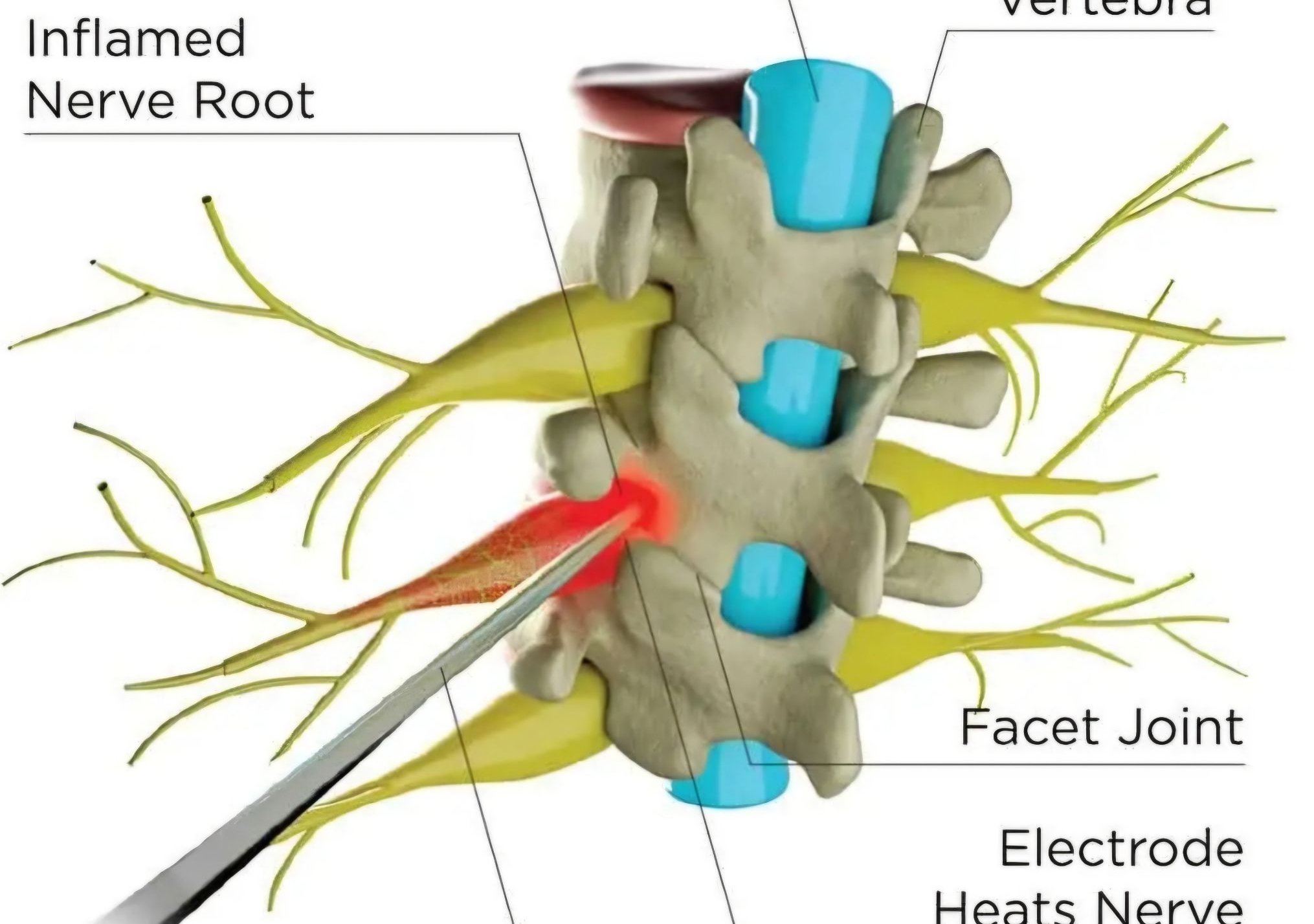
- Spinal Cord Stimulator (SCS) ဖြင့်နောက်ကျန်နာကျင်မှုကုသခြင်း
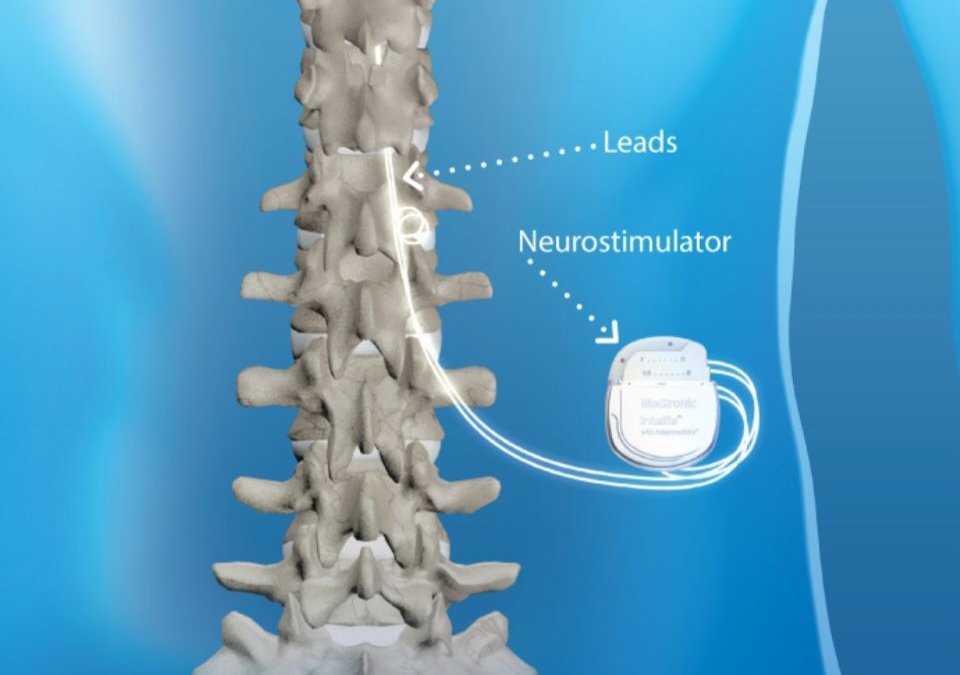
- ခြေထောက်ဦးတည်ဓါတ်အင်အား လှိုင်းကိရိယာ devices ထားသွင်းခြင်း
ကျွန်ုပ်တို့၏ရည်ရွယ်ချက်မှာ ချက်ချင်းသေချာသော နာကျင်မှုထိန်းချုပ်မှုနည်းလမ်းများဖြင့် သာယာသော နေ့စဉ်ဘဝ၊ လုပ်ငန်းသာယာမှုနှင့် လူနေမှုအရည်အသွေး ပြန်လည် ပေးနိုင်ရန် ဖြစ်သည်။
အနှစ်ချုပ်
အပါအဝင်များ
- အစောပိုင်းအကြံပေးခြင်း
- ကုသမှုလုပ်ငန်းစဉ်
- နောက်ဆက်တွဲစောင့်ရှောက်မှု
- ဆေးဘက်ဆိုင်ရာအစီရင်ခံစာ
စျေးနှုန်း
စျေးနှုန်းအတွက် ဆက်သွယ်ပါ
နောက်ဆုံးစျေးနှုန်းသည် သင့်လိုအပ်ချက်အပေါ်မူတည်ပါသည်
Tags
ကျွန်ုပ်တို့ကို ဆက်သွယ်ပါ
ဤချန်နယ်များမှတဆင့် ဆက်သွယ်ပါ:
ပေးသွင်းသူအချက်အလက်

ဆာပီးအန်စ် ဆေးရုံ
Bangkok, Thailand

ကျန်းမာရေး စစ်ဆေးမှု
နှစ်စဉ် ကျန်းမာရေးစစ်ဆေးခြင်း အရေးကြီးပုံ ဘာလို့လဲ? လူအများစုက မိမိတို့ ကျန်းမာသည့်ခံစားရပြီး လူနာလက္ခဏာ မရှိရင် နှစ်စဉ် ကျန်းမာရေးစစ်ဆေးရမ်းရန် မလိုအ

ကြွက်သားတင်းမာမှုအတွက် ရုပ်ပိုင်းဆိုင်ရာကုသမှု
ကြွက်အသားတင်းမာမှု၊ Frozen Shoulder၊ အာရုံပြန့်ကျင်သည့်မြန်မာ၊ နှင့် Office Syndrome အတွက် ရုပ်ပိုင်းကုသမှု ကြွက်အသားတင်းမာမှု၊ frozen shoulder (လက်သွ

အားကစားဒဏ်ရာကုသမှုဌာန
အားကစားနှင့် အားကစားလေ့ကျင့်ခန်းများသည် ကျန်းမာရေးအတွက် အရေးပါသော အကျိုးကျေးဇူးများရရှိစေသော်လည်း ထိခိုက်ဒဏ်ရာရမှုအန္တရာယ်ကိုပါ ပါဝင်စေသည်။ အားကစားဒဏ်

အဆစ်နာကုသမှု
ပခုံး၊ ဒူးနှင့် တင်ပါး တစ်ခုခုတွင်ဖြစ်ပေါ်သော အဆစ်နာသည် အကြောင်းကြောင့်အမျိုးမျိုးကြောင့်ဖြစ်ပေါ်နိုင်သည်။ အဆစ်တစ်ခုချင်းစီသည် သီးခြားသောတည်ဆောက်ပုံ၊

အနည်းအလျော့ ချွေတာသော ကျောမြစ် ကုသမှု
ကျောပြန်၊ လည်ပင်းနှင့် တစ်ခါတစ်ရံ ချေးပေါက်အနားမှာ အသည်းအသန်မရှိသောအာနာ သို့မဟုတ် နာကျင်မှုများသည် ကြွက်သားများမှ ဖြစ်ပေါ်နိုင်ပြီး (အထူးသဖြင့် ရုတ်တရ

ရောဂါရှည်လျားသမား မျက်နှာအရပ်နာကျင်မှုကုသမှု ဌာန
မကြာခဏမျက်နှာကိုက်ခဲခြင်းသည် အကြိမ်ကြိမ်ကြုံတွေ့လေ့ရှိသည့် ရောဂါ ဖြစ်ပြီး၊ အကြောင်းရင်း အမျိုးမျိုးရှိနိုင်သည်။ အခြေခံအကြောင်းရင်းကို နားလည်ခြင်းနှင့်