What Is Sensitive Skin? Causes, Proper Care, and Long-Term Solutions for a Stronger Skin Barrier

“Sensitive skin” is one of the most common skin concerns that many people struggle with. Not only is sensitive skin easily irritated, but it can also develop redness, itching, rashes, or even inflammatory acne more readily than normal skin. Caring for this skin type requires special attention. This article will guide you through a deeper understanding of sensitive skin—from causes and symptoms to skincare tips, product recommendations, and sustainable ways to strengthen the skin barrier safely.
What Is Sensitive Skin?
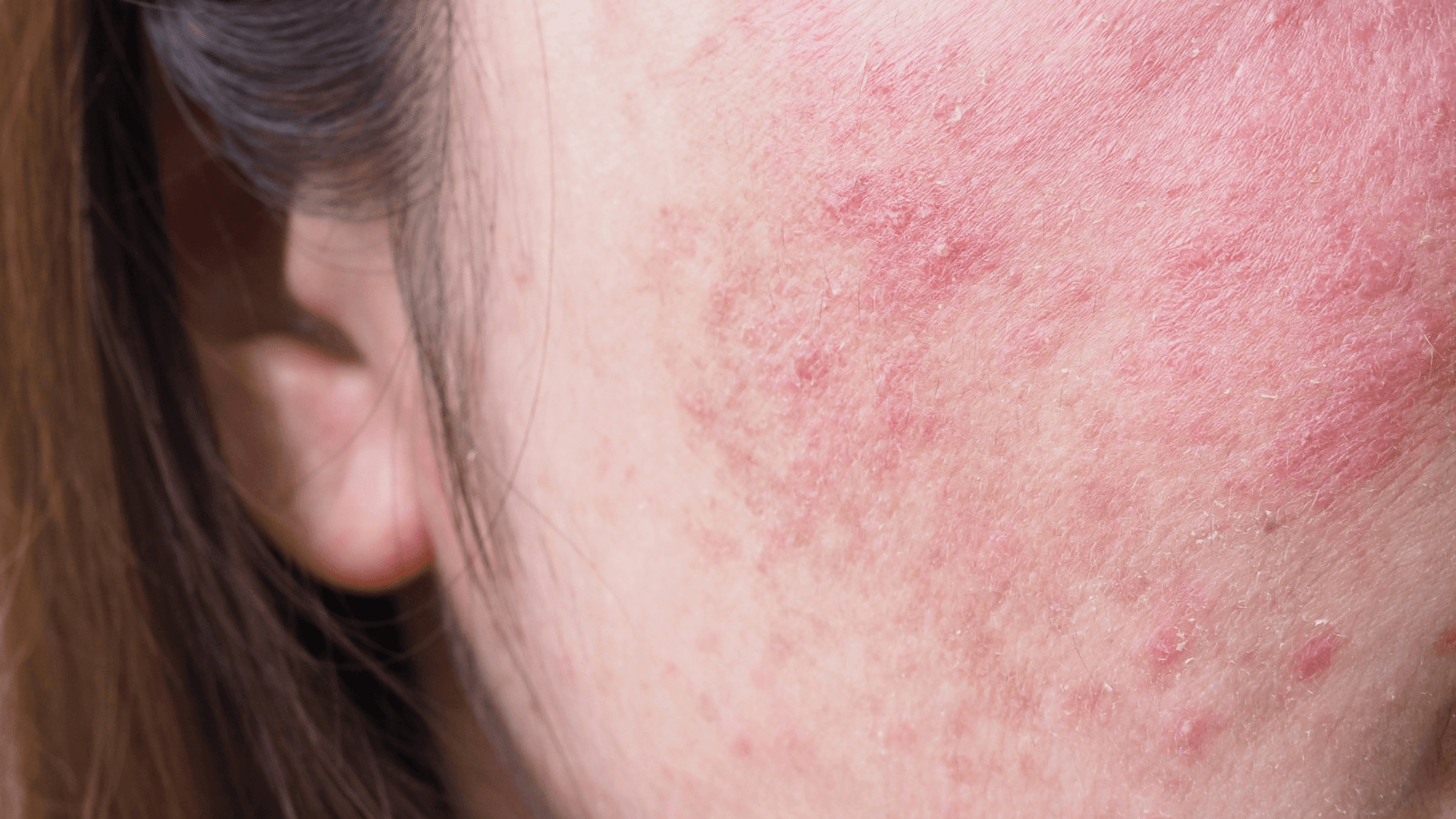
Sensitive skin is a condition in which the skin reacts easily to various triggers—even mild ones such as cosmetics, dust, sunlight, or even tap water. These reactions can result in burning, redness, itching, or rashes on the face and neck.
Signs That You May Have Sensitive Skin
-
Dry, flaky skin
-
Stinging or itching after using certain products
-
Redness or irritation that appears easily
-
Skin that is reactive to sunlight and temperature changes
-
Rashes after exposure to dust or pollution
Causes of Sensitive Skin
1. Genetics
Some individuals are born with a naturally thinner or more delicate skin structure.
2. Weak or Damaged Skin Barrier
Dehydrated skin allows irritants to penetrate more easily, leading to increased sensitivity.
3. Using Incorrect or Harsh Products
Ingredients such as preservatives, fragrances, or alcohol in skincare may cause irritation.
4. Stress and Hormonal Imbalance
These factors can heighten skin reactivity and sensitivity.
5. External Factors
Pollution, UV exposure, and abrupt temperature changes can trigger irritation.
How to Care for Sensitive Skin Properly
Choose Gentle, Hypoallergenic Products
Avoid irritating ingredients such as fragrance, colorants, and alcohol.
Focus on Hydration and Barrier Repair
Opt for creams or serums containing skin-strengthening ingredients such as ceramides, panthenol, and hyaluronic acid.
Cleanse Gently
Avoid scrubbing the skin. Use a mild cleanser with a pH close to that of the skin.
Avoid Trying Too Many New Products at Once
Perform a patch test on the inner forearm before applying anything new to the face.
Use Sunscreen Daily
Choose formulas specifically designed for sensitive skin and labeled “non-comedogenic.”
Recommended Ingredients for Sensitive Skin
-
Aloe Vera – Soothes irritation and hydrates
-
Panthenol (Vitamin B5) – Helps repair weakened skin
-
Ceramides – Reinforce the skin barrier
-
Allantoin – Reduces irritation and inflammation
-
Niacinamide (Vitamin B3) – Minimizes redness and strengthens the skin
Things to Avoid If You Have Sensitive Skin
-
Frequent scrubs or harsh exfoliation
-
Products containing fragrance, alcohol, or parabens
-
Washing your face with very hot water
-
Constantly switching between different products
-
Lack of sleep, high stress, and insufficient water intake
Summary
Sensitive skin is not a condition that should be overlooked. Improper care may lead to chronic inflammation and other skin problems. By choosing gentle products, avoiding known irritants, and consistently supporting the skin barrier, you can restore and maintain strong, resilient skin in the long term.
Frequently Asked Questions About Sensitive Skin
Q: Can sensitive skin be completely cured?
A: Sensitive skin may not be permanently cured, but it can be significantly improved and well-controlled with proper long-term care.
Q: Can people with sensitive skin wear makeup?
A: Yes, but makeup should be chosen carefully—preferably non-comedogenic formulas—and be removed thoroughly every day.
Q: When should I see a dermatologist?
A: If symptoms such as redness, itching, or rashes become persistent or severe, it's best to consult a dermatologist for accurate diagnosis and appropriate treatment.
Source: Pmed Clinic
**Translated and compiled by ArokaGO Content Team
PMed Clinic
分享此文章
更多文章
探索更多关于医疗保健和医疗旅游的见解。

What Is Hand Tremor? Understanding the Causes and the Right Ways to Treat It
Hand tremors are a common issue that many people experience in daily life—whether holding a cup of coffee, writing, or using a mobile phone. Noticing your hands shaking can be worrying, but in reality, tremors vary widely in severity and can arise from many different causes, ranging from minor, temporary issues to medical conditions that require proper treatment. This article will help you understand what hand tremors are, the underlying causes, and the correct treatment approaches, so you can take care of your health confidently and effectively.

Assisted Reproductive Technology (IVF / ICSI)
Starting a family is one of life’s most meaningful milestones, yet some couples may require additional support through modern reproductive technologies such as IVF or ICSI. These methods significantly enhance the chances of achieving a safe and successful pregnancy. This guide provides a clear overview of everything you need to know before beginning treatment—from required documents and pre-treatment preparation for both men and women, to each step of the IVF/ICSI process and the timeline involved. With this information, couples can approach their fertility journey with confidence, clarity, and proper medical guidance.

45+ Ageism AI Human Value
Recently, many have heard news about companies refusing to hire people aged 45 and above. This reflects the reality of Ageism age-based discrimination in labor markets both in Thailand and abroad.